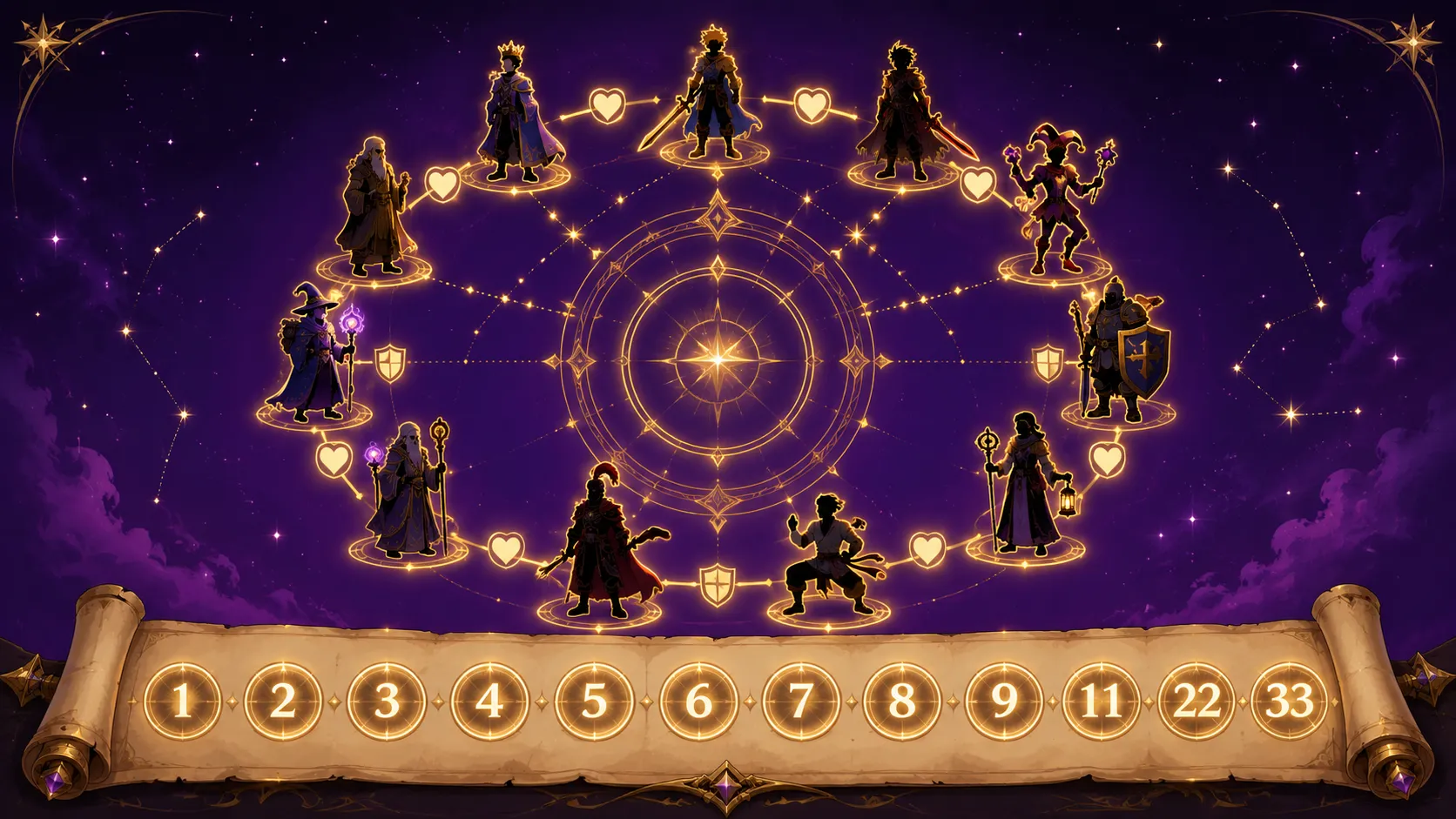
In short: RPG Numerology reads compatibility mainly as life-path (present number) pairs. Think of the 12 types as a party lineup—who stands front, who supports from behind—and the “good / careful” feeling becomes clearer. Use the checker above to see both types and a rank right away.
Whether it’s a partner, friend, or coworker, birthdays reveal types—and plenty of people then worry “are we a bad match?” This guide lists a 12-type chart plus smooth patterns and friction patterns.
What does numerology compatibility look at?
In RPG Numerology, the default lens is life path (present number) × life path.
| Lens | How to use it |
|---|---|
| Life path number | Main axis—maps to the 12 RPG types |
| Reduced number | On the chart, 11=2, 22=4, 33=6 (same row) |
| Birthday Number (past) | Read alongside if Life Path alone feels off (when it doesn’t fit) |
Treat the chart as a tendency map—not “△ means break up,” but “here’s where friction often shows.”
12-type quick chart (find your No.)
◎ lists match the “friendly types” on each character page.
| Your No. | Type | Great match ◎ | Needs care △ |
|---|---|---|---|
| 1 | Hero | 1 · 5 · 7 · 8 | 4 · 6 |
| 2 / 11 | Spellblade / Mage | 2 · 4 · 8 (11 same) | 5 · 7 |
| 3 | Jester | 3 · 6 · 9 | 4 · 7 · 8 |
| 4 / 22 | Knight / Prince | 2 · 4 · 8 (22 same) | 1 · 3 · 5 · 9 |
| 5 | Adventurer | 1 · 5 · 7 · 8 | 2 · 4 · 6 |
| 6 / 33 | Cleric / Sage | 3 · 6 · 9 (33 same) | 1 · 5 · 7 |
| 7 | Monk | 1 · 5 · 7 | 2 · 3 · 6 · 8 · 9 |
| 8 | General | 1 · 2 · 4 · 5 · 8 | 3 · 7 · 9 |
| 9 | Elder | 3 · 6 · 9 | 4 · 7 · 8 |
What the symbols mean
- ◎ Great match — listed as friendly types on character pages; energies mesh easily
- △ Needs care — pace or values can diverge; not “bad,” but roles help a lot
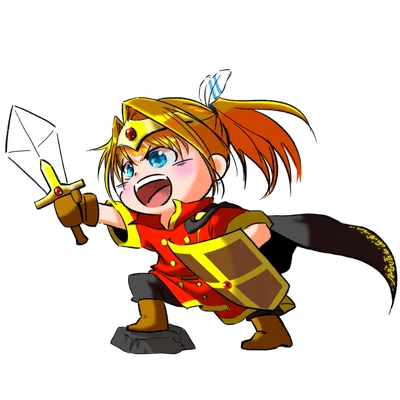 1
1 Hero
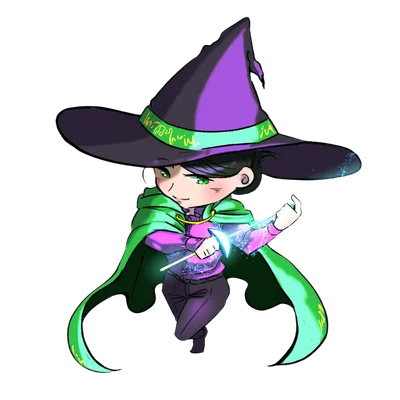 2
2 Spellblade
Same row as 11
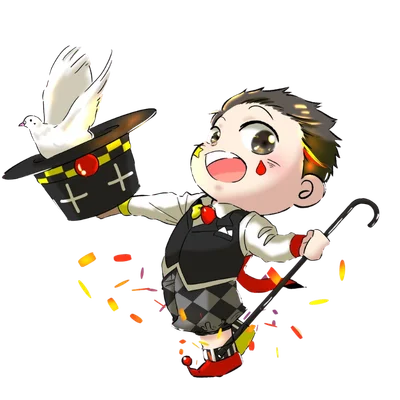 3
3 Jester
 4
4 Knight
Same row as 22
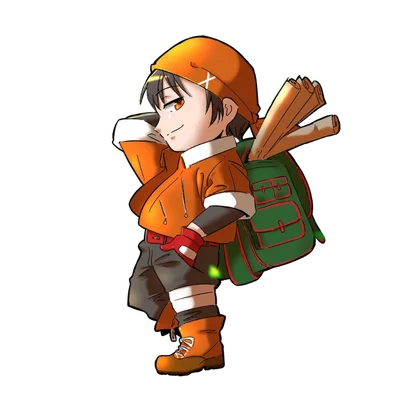 5
5 Adventurer
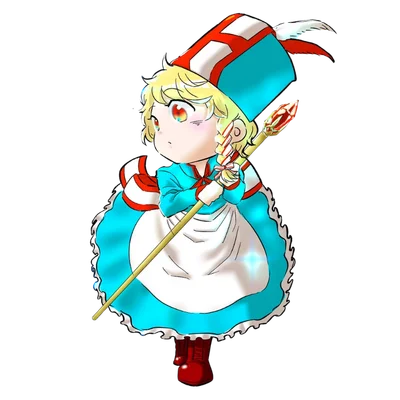 6
6 Cleric
Same row as 33
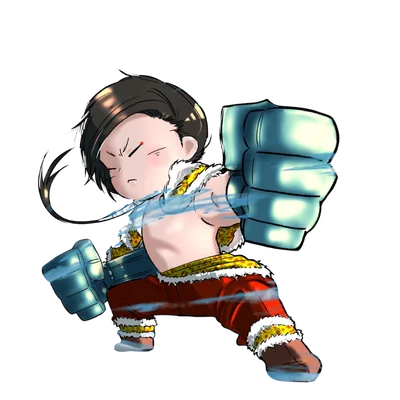 7
7 Monk
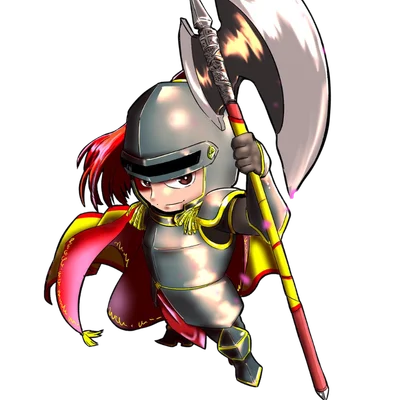 8
8 General
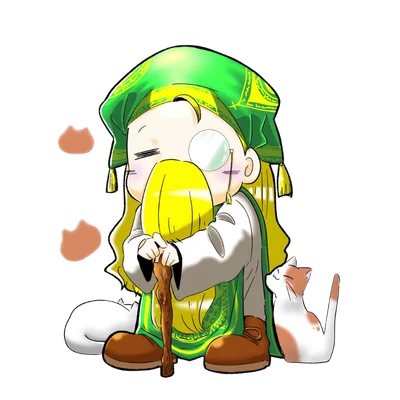 9
9 Elder
 11
11 Mage
= row 2
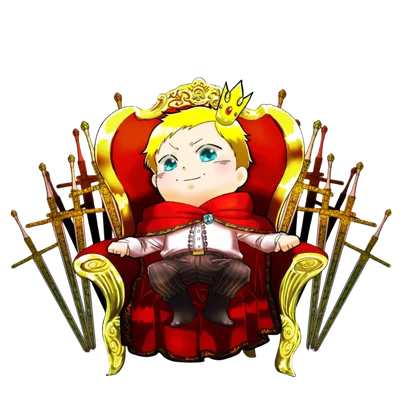 22
22 Prince
= row 4
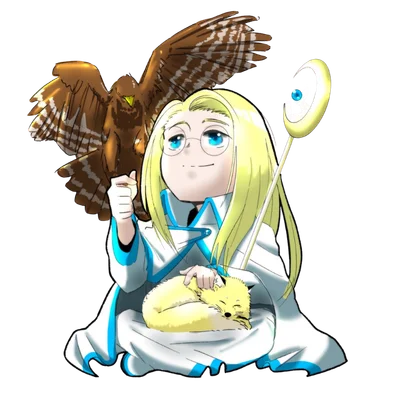 33
33 Sage
= row 6
Great-match patterns—as party comps
1 × 5 (Hero × Adventurer)—front-line duo
No.1 Hero decisiveness meets No.5 Adventurer flexibility. Both love motion, so love and work share a strong “let’s enter a new field together” charge. Add General (8) for an execution trio.
3 × 6 × 9 (Jester · Cleric · Elder)—healing harmony
Jester, Cleric, and Elder are mutual ◎—expression, care, and ideals stack into comfort and spiritual closeness. Sage (33) sits on the same row as 6.
2 × 4 × 8 (Spellblade · Knight · General)—steady support + command
Spellblade empathy, Knight planning, and General execution. Mage (11=2) and Prince (22=4) share those rows. Clear supporter vs director roles.
2 Spellblade
Empathy
11 Mage
Same row as 2
4 Knight
Plans
22 Prince
Same row as 4
8 General
Execution
1 × 7 (Hero × Monk)—different weapons, same core
Different vibes, still friendly: outward drive (1 · 5) and inward inquiry (7) attract as missing pieces for each other.
2/11 × 4/22—empathy meets stability
Spellblade/Mage feeling with Knight/Prince steadiness—type pages often call this a bond that grows when you honor each other’s strengths.
Confirm both types with a free check
Pairs that need more care (how to read “bad” matches)
People search “bad numerology compatibility,” but here △ is closer to a harder quest difficulty. Same reduction rules: 11=2, 22=4, 33=6.
| Pair | Friction | Tip |
|---|---|---|
| 4/22 × 5 (Knight/Prince × Adventurer) | Stability vs freedom | Frame the schedule; leave the middle free |
| 1 × 6/33 (Hero × Cleric/Sage) | Independence vs service | Respect Hero decisions; check Cleric/Sage feelings often |
| 1 × 4/22 (Hero × Knight/Prince) | Speed vs caution | Name “feeling rushed”; decide steps together |
| 3 × 7 (Jester × Monk) | Social time vs alone time | Set contact rules and solo windows early |
| 2/11 × 5 (Spellblade/Mage × Adventurer) | Sensitivity vs lightness | Keep promises; speak needs out loud |
| 2/11 × 7 (Spellblade/Mage × Monk) | Emotion vs distance | Don’t read silence as coldness; schedule check-ins |
Key point: △ is not a reason to leave. Talking through roles often turns friction into growth.
Master Numbers (11 · 22 · 33)
On the chart, Masters share their reduced rows.
| Master | Reduced | ◎ / △ | Chart row |
|---|---|---|---|
| 11 Mage | 2 Spellblade | Same as 2 | 2 · 4 · 8 / △ 5 · 7 |
| 22 Prince | 4 Knight | Same as 4 | 2 · 4 · 8 / △ 1 · 3 · 5 · 9 |
| 33 Sage | 6 Cleric | Same as 6 | 3 · 6 · 9 / △ 1 · 5 · 7 |
Personality and purpose intensity live on the 11 · 22 · 33 pages—but the “who fits?” entry point is the 2 / 4 / 6 rows above. Sensitive Masters often need to own their own story before optimizing partner choice.
How RPG Numerology reads pairs
- Think party roles — front / support / magic beats “everyone the same”
- Use the checker — types, rank, and tips from the form above
- Deep-dive type pages — all 12 types
- Don’t chase ◎ only — △ partners often teach missing perspectives
- Check past numbers too — when life path feels off
- Free diagnosis — birthdays only
FAQ
If we get a “bad” match, should we break up?
No. △ is a friction tendency—not destiny. Use it as a relationship map, not a future decree.
How do 11/2, 22/4, and 33/6 work?
Compatibility matches the reduced row. 11 → row 2, 22 → row 4, 33 → row 6. Master-specific personality lives on each type page.
Are same-type pairs good?
Comfort from similarity, and sometimes stacked weaknesses. Honor strengths and cover gaps.
Does the same chart work for work relationships?
Trends are similar. In love read “pace”; at work read “role split.”
What if I don’t know their birthday?
If you know the type, the table still helps. Guessing from behavior is entertainment-level only.
Summary
- Compatibility starts with life path (12 types) pairs
- ◎ matches friendly-type lists; △ means friction care, not doom
- RPG framing: party roles + clear rules
- Masters: 11=2, 22=4, 33=6 on the chart
- Details on type pages → confirm numbers with the free checker
Check your pair now